Overcoming the Fear of Traveling Alone: A Comprehensive Guide for Women
6/4/20265 min read

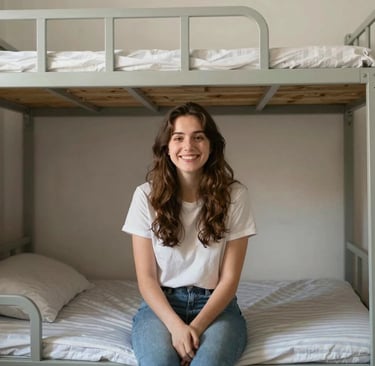
Understanding the Fear of Solo Travel
Traveling alone can be an exhilarating experience, yet it is often accompanied by a multitude of fears, particularly among women. The prospect of embarking on a solo journey may evoke concerns related to safety, loneliness, and societal perceptions. For many female travelers, the fear of encountering dangerous situations is a foremost consideration when traveling alone. Statistics reveal that a significant percentage of women cite personal safety as their primary concern, which can stem from societal narratives that highlight the vulnerabilities of women.
Loneliness is another apprehension that may deter women from pursuing solo travel. The idea of exploring a new destination without the companionship of friends or family can feel daunting. Commonly, women worry about how they will cope with isolation, particularly during evenings or meal times when social interaction typically occurs. Anecdotes shared by solo female travelers often highlight moments of self-doubt and loneliness, yet they also reflect upon the profound personal growth they experienced through these challenges.
Moreover, the psychological aspects of fear play a crucial role in shaping perceptions of solo travel. Cognitive Behavioral Therapy (CBT) research indicates that our thoughts can significantly influence our feelings and behaviors. The fears surrounding solo travel may be exacerbated by anxiety or a tendency to overthink potential risks. Issues like perfectionism and a fear of judgment from others can further complicate the decision to travel alone. Women may feel pressure to conform to societal expectations regarding relationships and safety, possibly leading to internalized fears that hold them back from exploring the world independently.
Preparing for Your Journey: Research and Planning Tips
Embarking on a solo travel adventure requires detailed preparation and planning to ensure a positive and safe experience. The first step in overcoming the fear of traveling alone is conducting thorough research about your chosen destination. Understanding the local culture, customs, and etiquette will enhance your travel experience. Websites, travel blogs, and guidebooks can provide invaluable insights into local norms, which can help in minimizing cultural faux pas and enhancing your interactions.
Furthermore, familiarize yourself with the geography of the area, including transportation options, notable landmarks, and emergency services. It's wise to look into the local safety conditions, including crime rates and areas to avoid, as well as health advisories. This knowledge will help you navigate your surroundings with confidence and ease while traveling alone.
Accommodations play a crucial role in ensuring a safe and comfortable stay. Seek out established hotels or hostels with strong positive reviews from other travelers, especially women. Online platforms offer filters for safety and location, making it easier to find secure lodging options that align with your budget and preferences. When budgeting, factor in not only accommodation costs but also meal expenses, transportation, and activities. Creating a detailed itinerary can aid in managing these costs effectively while ensuring you do not miss out on key experiences.
Additionally, when packing for your trip, focus on essentials that will enhance your safety and convenience. Items like a personal safety alarm, money belt, and a well-organized daypack can make all the difference in a solo traveler's experience. Prioritize lightweight clothing and versatile outfits that can be mixed and matched, ensuring comfort while minimizing baggage weight. By taking the time to prepare meticulously for your journey, you can alleviate concerns and embrace the excitement of traveling alone.
Building Confidence: How to Manage Your Emotions Before and During Travel
Traveling alone can invoke a range of emotions, from excitement to anxiety. Consequently, managing these feelings is vital for building confidence and ensuring a positive travel experience. One of the most effective strategies for emotional management is engaging in mindfulness practices.
These practices, which can include meditation or deep-breathing exercises, help cultivate a sense of calm and presence, allowing travelers to focus on the moment rather than worrying about the uncertainties of their journey.
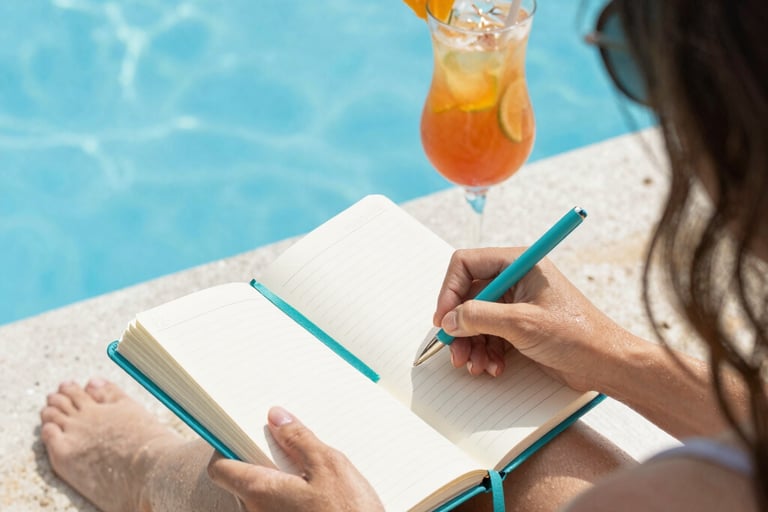
Another valuable technique is journaling.
Writing down thoughts and feelings before a trip can enable women to articulate their fears, frustrations, or anticipations. This exercise not only serves as a productive outlet, but it can also foster self-reflection, revealing any unrealistic expectations and helping frame the journey positively. By reviewing these thoughts upon arrival at a destination, travelers can track their progress in managing fear and honing confidence.
Familiarity with travel routines also plays a crucial role in enhancing self-assurance. Developing a pre-travel checklist can streamline preparations and reduce anxiety. It can include items like itinerary details, packing essentials, and emergency contacts, thereby paving the way for smoother travel experiences. Recognizing patterns in one’s traveling habits helps alleviate the fear of the unknown.
While on the road, unexpected challenges can arise, and it is important to be equipped with strategies to handle them effectively. For instance, seeking companionship or support whether through local travel groups, online forums, or social media can provide a sense of security. Engaging with fellow travelers allows individuals to share experiences, merging their interests and building meaningful connections right when they are needed.
By implementing these techniques, women can better manage their emotions, ultimately enhancing their travel experiences and confidently embracing the adventure of solo travel.
Choosing Safe Accommodations and Protective Measures
When it comes to traveling alone, selecting safe accommodations is paramount for women seeking to enhance their travel experience while minimizing risks. Whether opting for hotels, Airbnbs, hostel or VRBO properties, it is essential to prioritize safety features and reliable reviews.
Begin by researching potential lodgings, focusing on areas that are well-reviewed for their security. Look for properties that have enhanced safety measures such as 24-hour front desk service, key card access, or in-room safes. Reading recent reviews from other female travelers can offer invaluable insights, as they can highlight both positive and negative experiences that reflect the accommodation's safety environment.
In addition to reviewing accommodations, women should communicate their travel plans with someone they trust. Informing a family member or friend about where you will be staying and your daily itinerary can add an extra layer of security. Another effective measure is to trust your instincts; if something does not feel right about an accommodation, consider looking for alternatives. Opting for larger, established hotel chains may provide additional peace of mind as they often have set security protocols in place.
Further protective measures include ensuring the accommodation has clear emergency procedures and easily accessible exit routes. Familiarizing yourself with the locale before arrival, such as mapping out nearby hospitals or police stations, can also provide extra reassurance. Additionally, carrying personal safety devices, like pepper spray or a whistle, may further bolster your sense of security. Ultimately, empowering yourself with knowledge and preparing for potential challenges can help mitigate fears associated with solo travel. By carefully selecting safe accommodations and implementing personal protective measures, women can confidently embark on their journeys, enriching their travel experiences while maintaining their safety.


Affiliate Disclosure: As an Amazon Associate, I earn from qualifying purchases. Thank you for your support!
Travel More Ladies
"Until your next escape, choose yourself, pack the adventure, and never apologize for wanting more out of life."
Newsletter
© 2024. All rights reserved.